
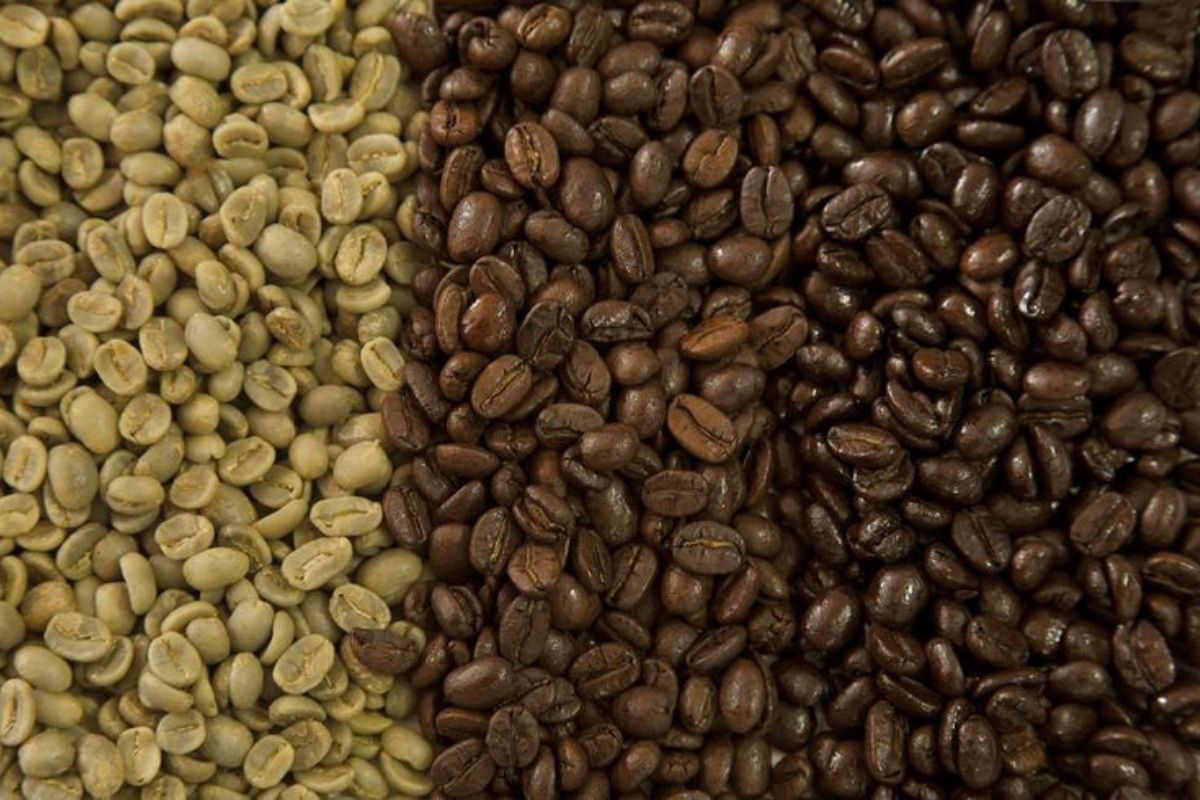
Specialty coffee roasting is a carefully controlled heat process that transforms raw, grassy-smelling green coffee beans into the aromatic, complex beans you grind every morning. The roaster applies precise temperatures over a period of roughly 8 to 15 minutes, triggering a chain of chemical reactions — including caramelization, the Maillard reaction, and first crack — that develop hundreds of distinct flavor compounds. The difference between a great roast and a mediocre one comes down to timing, temperature control, and an intimate understanding of each specific bean's character.
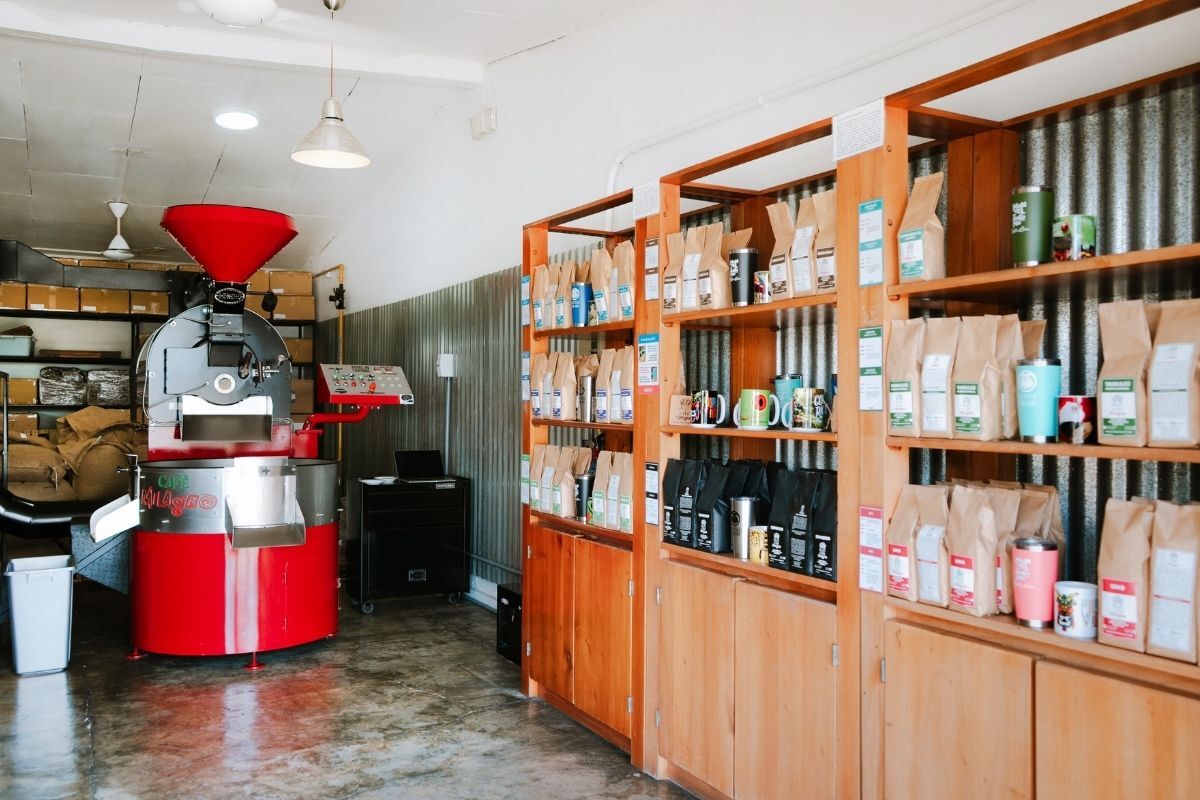
At Cafe Milagro's coffee roaster in downtown Quepos, Costa Rica, we've been making those calls since 1994.
Why Roasting Matters More Than Most People Realize
Most coffee drinkers spend a lot of time thinking about brewing — grind size, water temperature, pour technique. Far fewer think about what happened to the bean before it arrived at their doorstep. But roasting is where raw agricultural product becomes something extraordinary. It is the bridge between the farmer's work and your experience in the cup, and it deserves the same attention.
A poorly roasted bean from an exceptional farm will taste flat, harsh, or hollow. A skillfully roasted bean from a good — but not great — farm can genuinely surprise you. The roaster is the translator between the potential locked inside a green bean and the flavor that ultimately reaches you.
This is a responsibility we take seriously. Here's exactly what happens.
Stage 1: Green Bean Selection and Sourcing
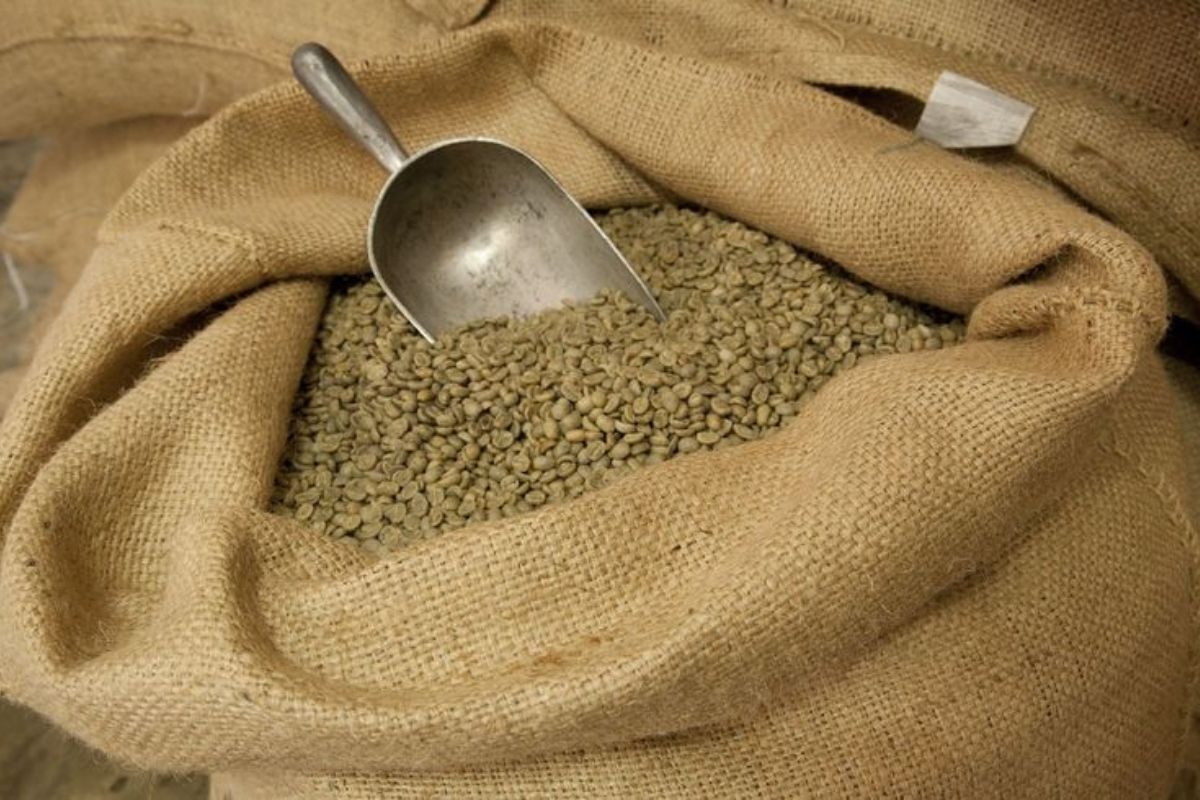
Before a single bean enters the roaster, the work has already begun. Green coffee — the raw, unroasted seed of the coffee cherry — arrives at our Quepos roaster having been harvested, processed, dried, sorted, and graded at origin.
Not all green coffee is equal. Specialty-grade beans must score 80 points or above on the Specialty Coffee Association's 100-point cupping scale, and they must be free from primary defects — quakers (underdeveloped beans), insect damage, broken beans, and husks that compromise roast consistency.
At Cafe Milagro, we source exclusively from select farm partners across Costa Rica's premier growing regions. These are relationships built over decades, not spot-market purchases. We know the farms, the families, the processing methods, and the harvest conditions for every lot that enters our roaster. That knowledge is foundational — because how you roast a bean depends entirely on understanding where it came from and how it was grown.
Stage 2: The Roaster and the Roast Profile
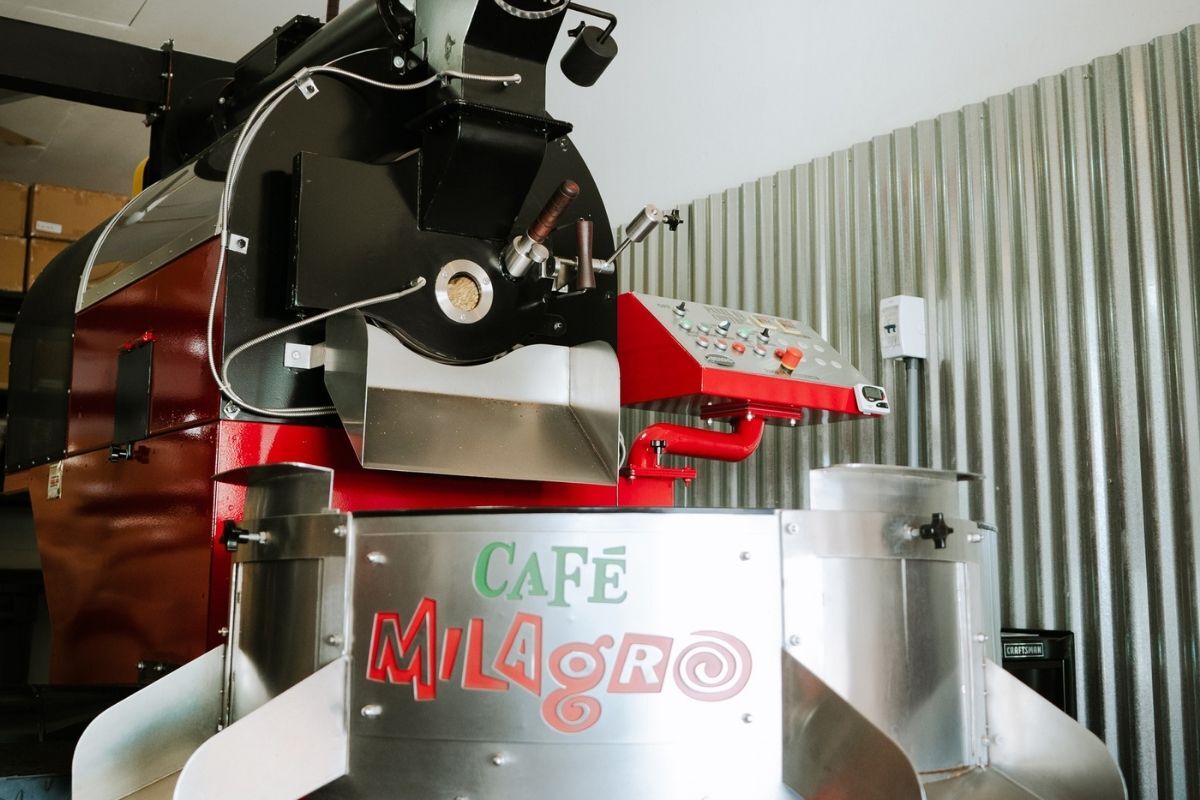
Our roaster uses a drum roaster — the industry standard for specialty coffee. Green beans are loaded into a rotating metal drum that is heated from below. As the drum turns, beans tumble continuously, ensuring even exposure to heat on all surfaces. This rotation is what separates a specialty roast from, say, pan-roasting over a flame — consistency and control are everything.
Before the first bean is loaded, the roaster has already mapped a roast profile for that specific lot. A roast profile is a detailed plan that specifies how temperature should change over time — how aggressively to apply heat in the early stages, when to back off, and when to end the roast. Different origins, different processing methods, and different intended flavor outcomes all demand different profiles.
A washed Tarrazú that should express citrus brightness gets a different treatment than a honey-processed bean from the West Valley that we want to lean into caramel sweetness. This is not guesswork — it's informed by years of experience, careful documentation of past roasts, and a willingness to keep refining.
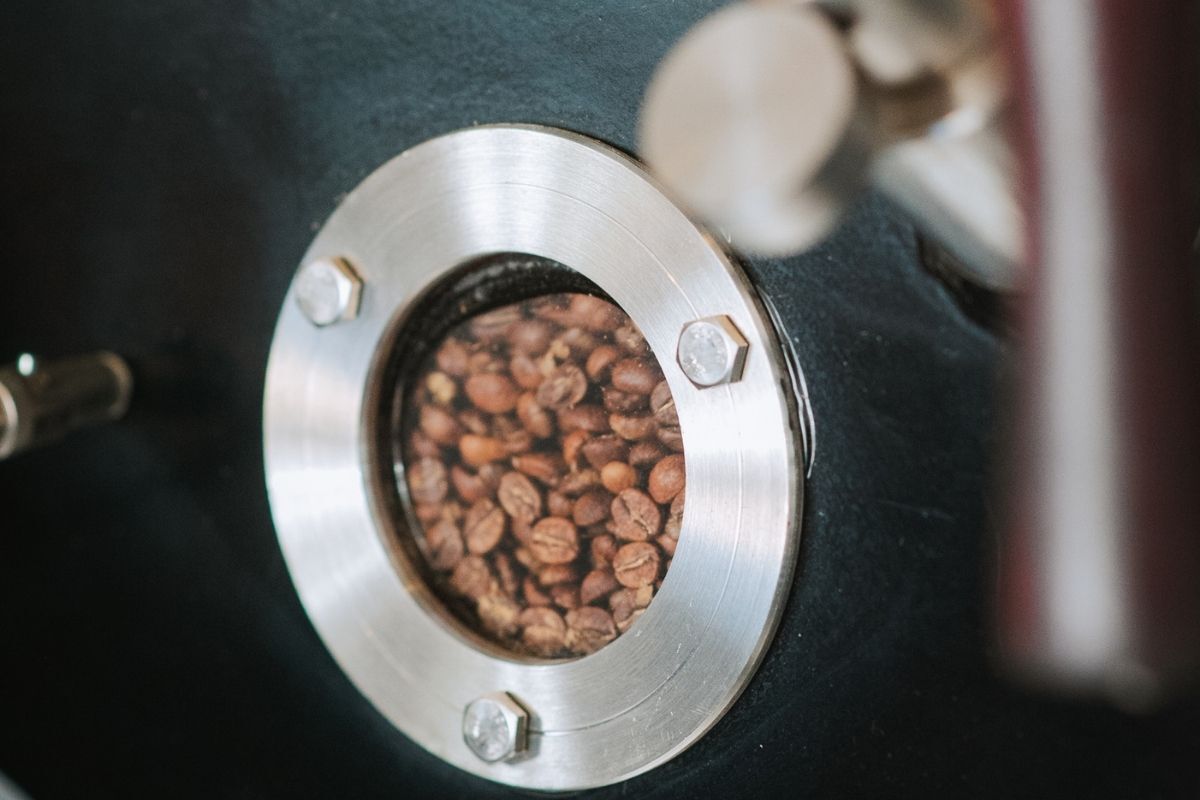
Stage 3: Drying Phase — The Bean Wakes Up
Once beans enter the drum, the first stage is the drying phase, which typically runs from room temperature up to around 160°C (320°F). Green beans contain between 10 and 12 percent moisture, and this phase drives that water out before the real chemistry begins.
During drying, the beans turn from green to yellow, and begin to emit the aroma of freshly baked bread or warm hay. This is not yet coffee — not in the flavor sense — but it is the essential preparation for what comes next. Rush this stage and you'll produce an uneven roast; let it run too long and you'll bake the sugars before they've had a chance to develop properly.
The roaster monitors bean temperature, drum temperature, and rate of rise — a measurement of how quickly the bean temperature is climbing — to ensure the drying phase is proceeding exactly as planned.
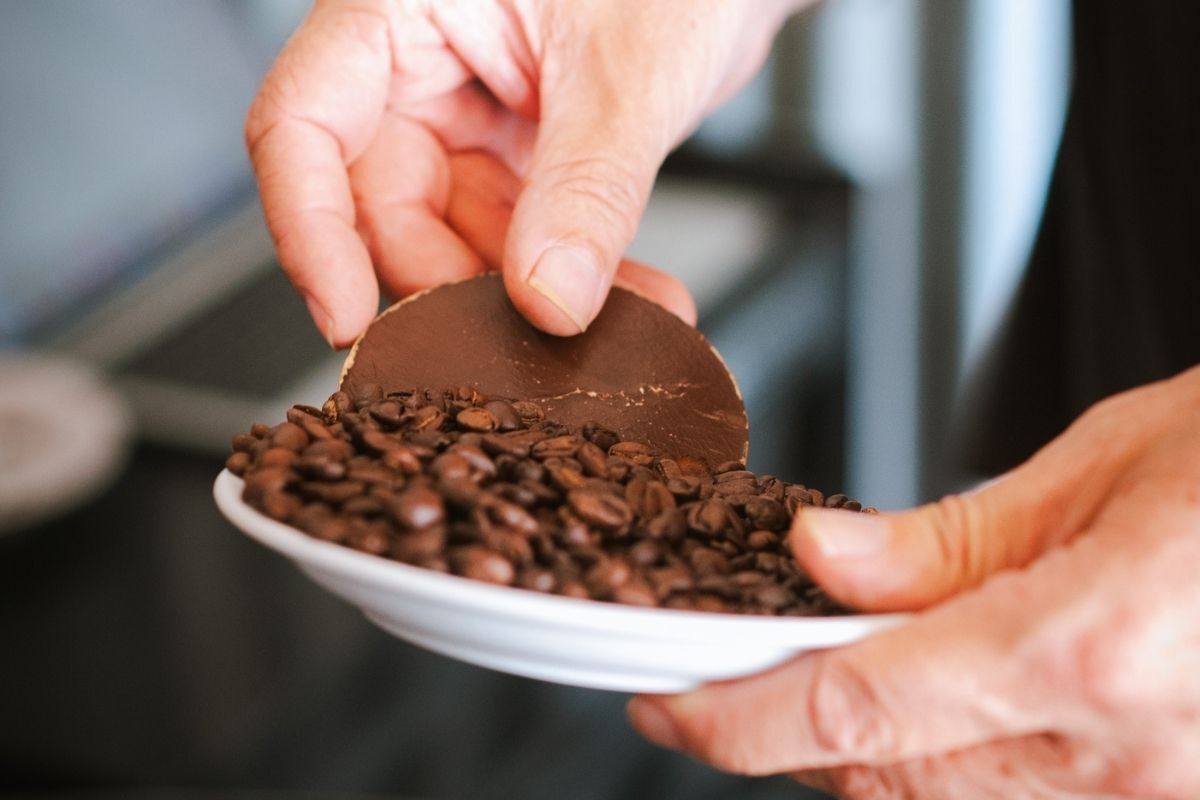
Stage 4: The Maillard Reaction — Flavor Begins
As the bean temperature passes approximately 150°C (300°F), the Maillard reaction begins. Named after the French chemist Louis-Camille Maillard, this is the same reaction that browns a steak, toasts bread, or caramelizes onions — a complex interaction between amino acids and reducing sugars under heat that produces hundreds of new flavor and aroma compounds.
In coffee, the Maillard reaction is responsible for much of what we associate with roasted coffee flavor: the nutty, chocolatey, caramel base notes, the development of sweet aromatics, and the gradual browning of the bean's exterior from yellow to light tan. The pace and duration of this phase have enormous influence on the cup's sweetness and body.
This is why specialty roasters talk about "development" as both a phase and a philosophy. You're not just applying heat — you're coaxing reactions, managing their intensity, and building flavor architecture one degree at a time.
Stage 5: First Crack — The Moment of Transformation
At roughly 196°C (385°F), something unmistakable happens: the beans crack.
First crack is the sound — a series of sharp pops, like popcorn — produced when the pressure of steam and CO₂ that has built up inside the bean forces the cell walls to rupture. It is a physical and chemical turning point. Before first crack, you have a roasted bean that is technically edible but thin and underdeveloped in flavor. After first crack begins, you have specialty coffee.
The roaster listens for first crack the way a musician listens for tempo. Its timing, pace, and intensity all communicate something about how the roast is progressing. A rolling, even crack suggests the roast is developing well. A sudden, explosive crack may indicate the heat was applied too aggressively. A sparse, uneven crack may signal an underperforming lot.
For light roasts — the specialty standard that preserves origin character, terroir brightness, and floral acidity — the roast ends shortly after first crack completes. For medium roasts, the roaster extends development a minute or two further, allowing more sugars to caramelize and body to build. For dark roasts, the process continues until a second crack begins, at which point pyrolysis dominates and the bean's original character is progressively replaced by roast-forward bitterness and char.
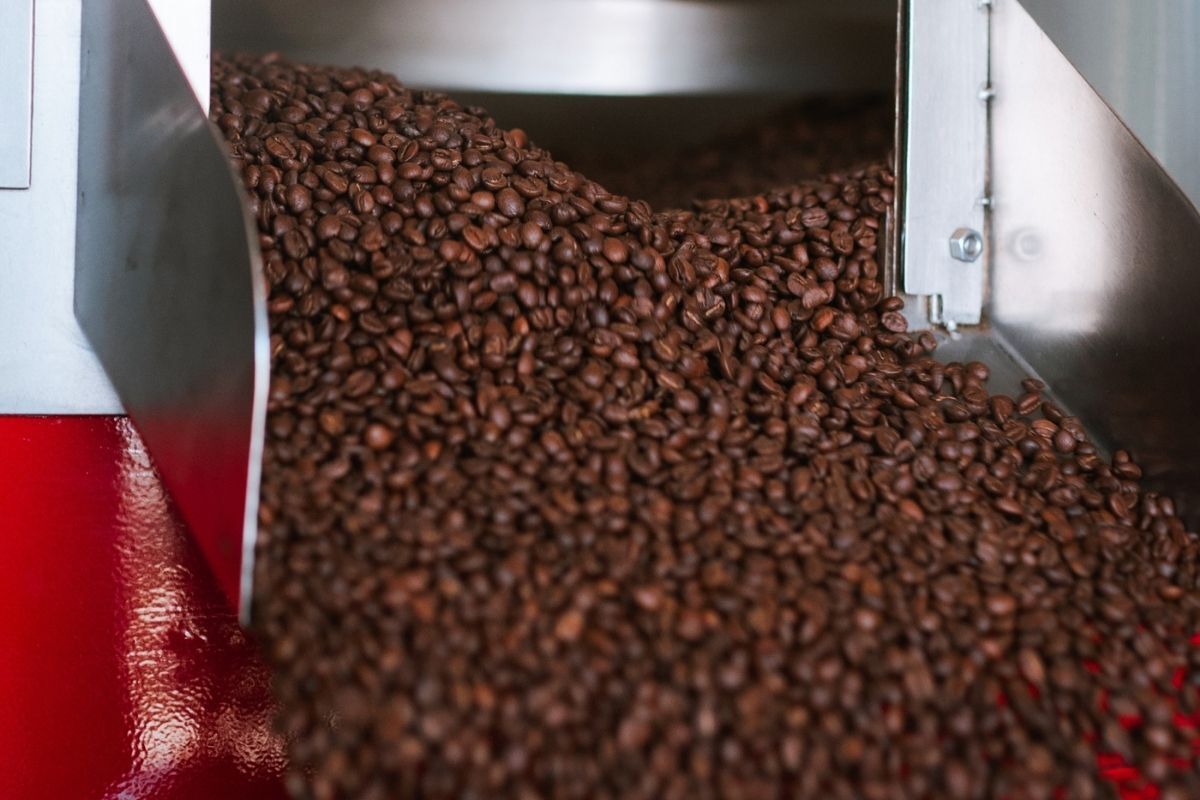
Stage 6: The Drop and the Cool
At the roaster's precisely chosen moment — sometimes measured to the second — the beans are dropped from the drum into a cooling tray below. A rotating arm stirs the beans while powerful fans pull ambient air through the tray, rapidly dropping the bean temperature and halting all chemical reactions.
This is not a passive step. Beans retain heat and continue to develop even after leaving the drum. Drop too late, and you'll overshoot your roast profile. Cool too slowly, and residual heat will continue browning the bean past your target. The drop and the cool are the final decisions in a roast, and they matter as much as any decision made during the process.
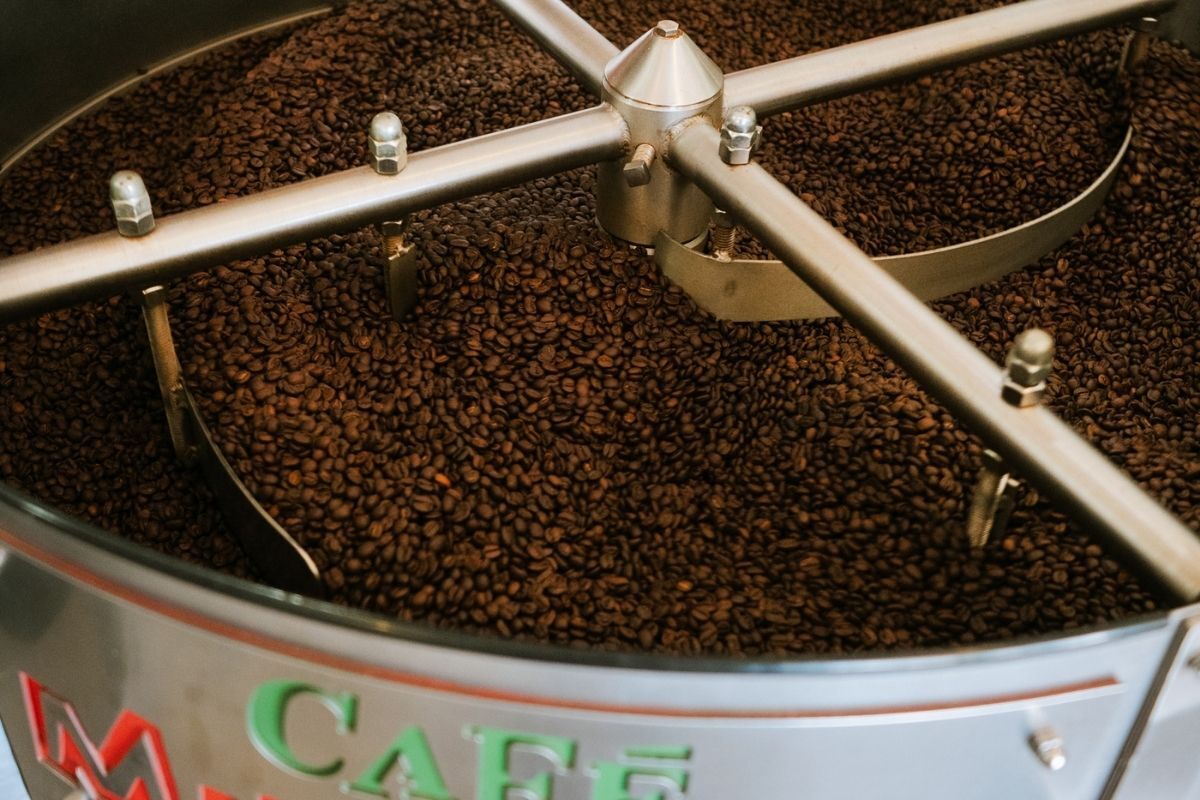
Stage 7: Resting, Cupping, and Quality Control
Freshly roasted coffee is not immediately ready to drink. In the hours after roasting, beans off-gas significant amounts of CO₂ — a byproduct of the roasting process — and flavor compounds continue to settle and integrate. Most specialty roasters recommend a rest period of 24 to 72 hours before brewing, with some coffees peaking in flavor up to a week post-roast.
At Cafe Milagro, every lot is cupped before release. Cupping is the standardized tasting protocol used across the specialty industry: a precise ratio of ground coffee to hot water, steeped, then tasted with a spoon from a consistent surface. We're checking for roast consistency, evaluating whether the profile achieved its intended flavor goals, looking for any defects or off-notes, and confirming that what you receive meets the standard we've maintained for thirty years.
If it doesn't pass, it doesn't ship.
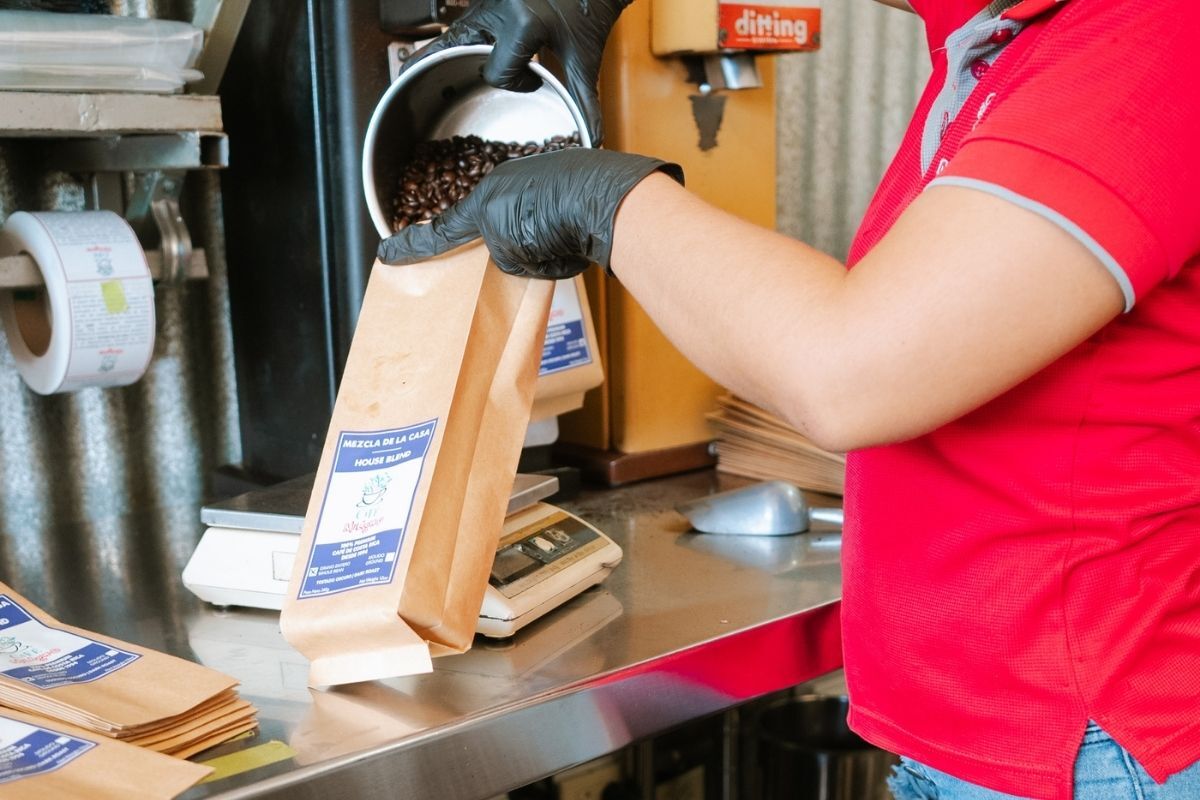
What the Roasting Process Means for Your Cup
Understanding roasting changes how you experience coffee. When you taste a clean, citrus-bright cup from our Tarrazú single-origin, that brightness isn't accidental — it's the result of a light roast that preserved the natural acids developed at altitude. When you taste chocolate and caramel in a medium roast blend, that's the Maillard reaction and caramelization doing exactly what we intended.
Every choice made in the roaster — the sourcing relationships, the roast profile, the development time, the drop point — exists in your cup. Specialty coffee is not a commodity. It is, at its best, a record of decisions made by farmers and roasters who cared about what you were about to taste.
That's what we've been committed to since 1994, from our roaster in Quepos to your morning ritual — wherever in the world that may be.
Frequently Asked Questions About Coffee Roasting
Q: What is the difference between light, medium, and dark roast? Roast level refers to how far the roasting process is taken after first crack. Light roasts end shortly after first crack, preserving the bean's origin character — including acidity, floral notes, and terroir-specific flavors. Medium roasts extend further, developing more caramel sweetness and body while balancing acidity. Dark roasts push into and beyond second crack, where pyrolysis strips origin character and replaces it with roasty, bitter, smoky notes. Contrary to popular belief, dark roasts are not inherently stronger in caffeine — lighter roasts actually retain slightly more caffeine by mass because heat degrades caffeine over time.
Q: Does freshly roasted coffee taste better? Yes — with one important caveat. Coffee needs a brief rest after roasting (typically 24–72 hours) for CO₂ to off-gas and flavors to integrate. After that rest period, freshly roasted coffee is at its peak, typically within 2 to 4 weeks of the roast date. Commercial grocery store coffee often sits in warehouses and on shelves for months before purchase. Buying directly from a roaster — like Cafe Milagro — means you receive coffee within days of roasting, not months.
Q: What is "first crack" in coffee roasting? First crack is the audible popping sound that occurs when internal pressure from steam and CO₂ forces the coffee bean's cell walls to rupture. It happens at approximately 196°C (385°F) and marks the transition from underdeveloped to specialty-grade coffee. Roasters use first crack as a critical reference point to determine development time and roast degree.
Q: Why does specialty coffee taste so different from supermarket coffee? Several factors converge: bean quality (specialty grade vs. commercial grade), origin transparency (traceable single-origins vs. commodity blends), roast freshness, and roast craft. Specialty roasters also typically use arabica beans exclusively — as is legally mandated across all of Costa Rica — while commercial coffee often contains robusta, which is higher in harsh, rubbery bitterness. The result is a cup with more complexity, cleaner flavor, and a traceability that connects you to the place and people who grew it.
Q: What is the Maillard reaction in coffee? The Maillard reaction is a chemical process in which amino acids and reducing sugars interact under heat to produce new flavor and aroma compounds. In coffee, it's responsible for the development of browning, caramel and chocolate notes, and much of the complex aromatic character we associate with roasted coffee. It begins around 150°C (300°F) and runs through the drying and browning phases of the roast.
Q: How long does coffee roasting take? A typical specialty roast takes between 8 and 15 minutes from the moment green beans are loaded into the drum to the drop into the cooling tray. Faster roasts (under 8 minutes) can produce harsh, underdeveloped flavor. Excessively long roasts (over 18–20 minutes) tend toward flat, baked profiles. The sweet spot varies by bean density, moisture content, and desired roast outcome — which is why experienced roasters develop and document detailed roast profiles for every lot they work with.
Q: Does Cafe Milagro roast all of its coffee in Costa Rica? Yes. All of our coffees are roasted at our roaster in downtown Quepos, Costa Rica — close to our home base in Manuel Antonio. Roasting at origin allows us to maintain direct relationships with the farms we source from, work with the freshest possible green coffee, and ensure that every bean is roasted by a team that intimately understands Costa Rican coffee at its source.
Q: Can I visit the Cafe Milagro roaster? We'd love to have you. If you're visiting the Manuel Antonio area, our roaster is located in downtown Quepos. Our restaurant and café, El Patio de Cafe Milagro, is in Manuel Antonio and serves our freshly roasted coffees daily — it's the ideal place to taste the results of everything described in this post.